Introduction
Eating disorders are not simply about food—they reflect deep psychological struggles often tied to control, identity, and self-esteem. Two of the most serious types of eating disorders are anorexia nervosa and bulimia nervosa. These conditions can lead to serious medical complications and emotional distress, affecting individuals of any age or gender. Raising awareness and seeking professional intervention early is crucial for recovery and long-term well-being.

What is anorexia nervosa?
Anorexia nervosa is a mental health condition characterized by extreme food restriction, intense fear of weight gain, and a distorted body image. Despite being dangerously underweight, individuals with anorexia often see themselves as overweight. This disorder can affect every system in the body, leading to severe health consequences if left untreated.
Common signs and symptoms include:
- Restricting food intake to an unhealthy degree
- Significant, rapid weight loss
- Obsessive calorie counting or food avoidance
- Intense fear of gaining weight, even when underweight
- Refusal to maintain a minimally healthy body weight
- Amenorrhea (loss of menstrual cycle in females)
- Brittle hair and nails, dry skin, or feeling cold all the time
- Avoidance of meals or eating in public
Individuals suffering from anorexia often experience a false sense of control through food restriction, which masks deeper emotional issues such as trauma, anxiety, or depression.
What is bulimia nervosa?
Bulimia nervosa is an eating disorder marked by episodes of binge eating followed by behaviors to prevent weight gain, such as vomiting, excessive exercise, or misuse of laxatives. Unlike anorexia, people with bulimia may appear to have a normal weight, making it harder to detect without open conversations or close observation.
Common signs and symptoms include:
- Frequent episodes of consuming unusually large amounts of food in one sitting
- Feeling out of control during binge eating episodes
- Self-induced vomiting or use of laxatives after eating
- Preoccupation with body shape and weight
- Evidence of purging behaviors (e.g., frequent bathroom use after meals)
- Swollen cheeks or jaw from repeated vomiting
- Acid reflux, sore throat, or damaged tooth enamel
- Mood swings, irritability, or low self-esteem
Bulimia can result in severe electrolyte imbalances, dehydration, and damage to the digestive tract, often progressing silently without noticeable weight changes.
Causes and risk factors
Eating disorders often arise from a combination of biological, psychological, and environmental influences. Understanding the root causes can help guide effective treatment and prevention strategies.
Biological causes:
- Family history of eating disorders or other mental health issues
- Neurochemical imbalances (e.g., serotonin irregularities)
- Hormonal shifts during puberty or life transitions
Psychological factors:
- Low self-esteem, perfectionism, or obsessive-compulsive tendencies
- Previous trauma, abuse, or emotional neglect
- Co-occurring conditions like depression or anxiety disorders
Sociocultural influences:
- Pressure to conform to unrealistic beauty standards
- Media glorification of thinness and “ideal” body types
- Bullying, body shaming, or peer comparison
When these risk factors combine, they can significantly raise a person's vulnerability to developing anorexia or bulimia.

Health risks of eating disorders
Eating disorders are among the most fatal of all mental illnesses due to the widespread damage they inflict on the body. Early treatment is essential to avoid irreversible complications.
Potential health effects include:
- Heart complications, including irregular heartbeat and heart failure
- Loss of bone density, leading to osteoporosis
- Kidney damage and electrolyte imbalances
- Digestive disorders, including constipation or acid reflux
- Cognitive issues like poor concentration, memory loss, and brain fog
- Weakened immune system and prolonged healing times
- Infertility or hormonal disorders in women
- Increased risk of suicide or self-harm in severe cases
Ignoring the symptoms can lead to long-term hospitalization or fatal consequences, which is why timely medical support is critical.
Diagnosis of anorexia and bulimia
Diagnosing eating disorders requires a comprehensive approach. Medical professionals assess physical symptoms, emotional behavior, and eating patterns to make an accurate diagnosis.
Evaluation typically includes:
- Physical examination for signs of malnutrition or organ stress
- Psychological screening using standardized questionnaires
- Review of the patient’s medical history and family background
- Nutritional assessment by a qualified dietitian
- Laboratory tests to check electrolyte levels and hormonal balance
An honest conversation between the patient and healthcare provider is vital in uncovering the behaviors and thought patterns contributing to the disorder.
Treatment options available in Bhopal
Effective treatment of anorexia and bulimia is possible with a multidisciplinary approach. At Dr. Mitali Soni Loya’s clinic in Bhopal, personalized care is provided to address the mental, emotional, and physical aspects of recovery.
Treatment methods include:
Psychotherapy
- Cognitive Behavioral Therapy (CBT): Helps challenge harmful thought patterns
- Dialectical Behavior Therapy (DBT): Focuses on emotional regulation and distress tolerance
- Family Therapy: Encourages involvement of loved ones in adolescent recovery
Nutritional rehabilitation
- Individualized meal planning with gradual reintroduction of food
- Education about balanced nutrition and eliminating fear foods
- Guidance from dietitians to normalize eating behavior
Medical supervision
- Monitoring of vital signs, weight, and lab parameters
- Medication for co-occurring issues like depression or anxiety
- Inpatient care in cases of severe malnutrition or self-harm risk
Dr. Mitali and her team ensure that each patient receives judgment-free support throughout their recovery journey.
When should you seek help?
Many individuals with eating disorders hide their symptoms due to shame or fear. Seeking help at the right time can make a significant difference in outcomes and reduce long-term damage.
Consider seeking professional help if you notice:
- Persistent fixation on food, weight, or body image
- Irregular or skipped meals
- Secretive eating or purging behavior
- Sudden changes in mood, weight, or physical appearance
- Fatigue, dizziness, or frequent illnesses
- Withdrawal from social activities or loved ones
If you or someone you care about is displaying these signs, don’t delay support. Early diagnosis is often the first step to lasting recovery.
Why choose Dr. Mitali Soni Loya for eating disorder treatment in Bhopal
Dr. Mitali Soni Loya is one of the most trusted psychiatrists in Bhopal, with a compassionate approach to mental health. She has successfully helped numerous individuals navigate the complex challenges of eating disorders with empathy, expertise, and individualized care.
Her clinic offers:
- A safe, supportive space for honest conversations
- Evidence-based treatments tailored to each person’s needs
- Collaboration with qualified nutritionists, therapists, and physicians
- A holistic healing approach focused on long-term well-being
- Transparent care that empowers patients and families alike
With Dr. Mitali, you won’t be judged or rushed—you’ll be understood and guided step by step.
Conclusion
Anorexia and bulimia are serious yet treatable conditions. With the right support and early intervention, individuals can rebuild a healthy relationship with food, body, and self-worth. The key lies in understanding the root causes and committing to recovery through professional care and community support.
If you or a loved one is struggling with an eating disorder, remember: help is available, and healing is possible.
Book your consultation today
Don’t suffer in silence. Reach out for a confidential consultation with Dr. Mitali Soni Loya and take the first step toward reclaiming your health, happiness, and confidence.
Contact:
📍 10 Ramanand Nagar, Near Lalghati Square, Bhopal, M.P. – 462023
📞 +91 88174 75079
📧 drmitalisoniloya@gmail.com


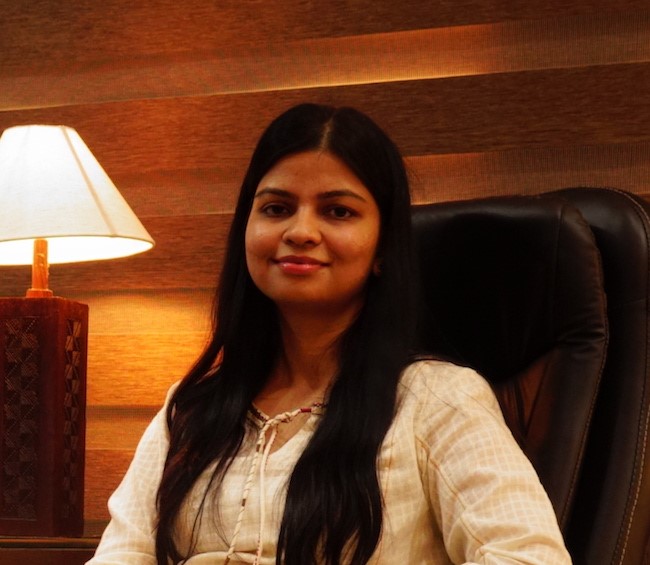 Mitali Soni Loya July 29, 2026