Introduction
Mental health is an essential part of our overall well-being, but it’s often overlooked, misunderstood, or delayed until it begins to impact relationships, work, sleep, or self-worth. Whether you’re struggling with anxiety, depression, mood swings, trauma, or daily stress, finding the right psychiatrist can change everything.
In Bhopal, one name stands out for those seeking expert psychiatric care with empathy and trust: Dr. Mitali Soni Loya.
Renowned for her patient-centric approach and commitment to holistic mental health care, Dr. Loya is a beacon of hope for individuals and families navigating mental health challenges. As the founder and chief psychiatrist at her clinic near Lalghati, she has earned a reputation not just for her clinical expertise—but for how she listens, cares, and empowers every patient to reclaim emotional balance and joy.
Who Is Dr. Mitali Soni Loya?
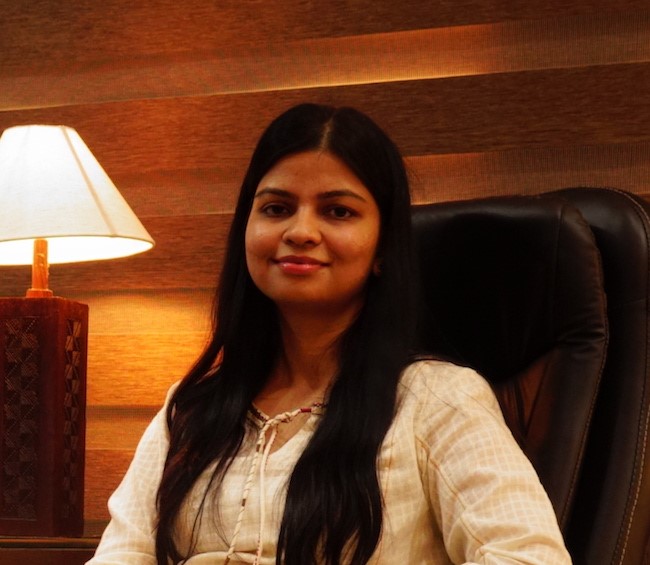
Dr. Mitali Soni Loya is a board-certified consultant psychiatrist in Bhopal with extensive experience in managing psychiatric, psychological, and behavioral disorders across all age groups. With an MBBS from Gandhi Medical College, Bhopal, followed by an MD in Psychiatry (Gold Medalist, 2017), Dr. Mitali Soni Loya has established herself as the best psychiatrist in Bhopal through years of dedicated service, research, and advocacy. She is the founder of Dr. Mitali’s Mental Health and Wellness Clinic, where science, compassion, and patient education come together to support mental healing.
- Trained in modern psychiatry with a focus on both pharmacological and psychotherapeutic interventions
- Specializes in mood disorders, anxiety, psychosis, trauma, addiction, and child and adolescent psychiatry
- Known for her calming presence, thorough assessments, and ethical decision-making
- Advocates for mental health awareness, destigmatization, and early intervention
- Highly rated for building lasting therapeutic relationships and delivering results that patients can feel and families can see
Dr. Loya’s clinic is a safe, supportive space where patients are not judged—but understood and uplifted.
What Makes Dr. Mitali the Best Psychiatrist in Bhopal?
Choosing a psychiatrist is about more than credentials—it’s about comfort, trust, and the assurance that your care provider sees the whole you. What truly sets Dr. Mitali apart is her human-first philosophy. Every treatment plan is customized, every concern is heard, and no one walks out feeling unheard or rushed.
1.Comprehensive Expertise:
Dr. Mitali Soni Loya has extensive experience treating a wide range of mental health conditions, including anxiety disorders, depression, bipolar disorder, schizophrenia, and substance abuse. Her in-depth knowledge and hands-on approach ensure that each patient receives personalized care tailored to their unique challenges.
2.Holistic, Evidence-Based Treatment:
Combining her clinical expertise with the latest advances in psychiatric research, Dr. Mitali Soni Loya offers evidence-based treatments that encompass medication management, psychotherapy, and lifestyle interventions. This holistic framework addresses the biological, psychological, and social aspects of mental health, helping patients achieve long-term stability and well-being.
3.Dedication to Women’s Mental Health:
Recognizing the distinct challenges faced by women, Dr. Mitali Soni Loya launched VAYAM, an initiative focused on empowering women through mental health awareness, support groups, and specialized therapies. She addresses critical issues such as peripartum mental health, menopause-related stress, gender-based stigma, and social conditioning, making her practice a trusted resource for women’s well-being in Bhopal.
4.Patient-Centric Philosophy:
Her compassionate, patient-first approach truly sets Dr. Mitali Soni Loya apart. She believes in listening attentively, understanding each patient’s history and lifestyle, and involving them in every step of their treatment plan. This empathy-driven philosophy fosters a strong therapeutic alliance, crucial for successful outcomes and makes her the best Psychiatrist in Bhopal.
5.Community Engagement & Academic Contributions:
Dr. Mitali Soni Loya is not only a practitioner but also an educator and advocate. She has published research articles in reputable journals, presented her findings at psychiatric conferences, and served as an Assistant Professor, shaping the next generation of mental health professionals. Her commitment to public awareness through magazine features, community workshops, and online resources helps reduce stigma and encourages more people to seek help.
6.State-of-the-Art Clinic:
Operating from her Dr Mitali Soni Loya’s Psychiatry & De-addiction Clinic, Dr. Mitali Soni Loya provides both outpatient and inpatient services. This ensures patients have access to round-the-clock support when needed, reinforcing her position as a trusted psychiatrist in Bhopal for comprehensive care.
Whether you’re navigating a difficult phase or facing a long-standing issue, Dr. Mitali’s guidance helps you find clarity, resilience, and peace of mind.
Core Psychiatric Services Offered by Dr. Mitali Soni Loya
Dr. Mitali’s clinic is equipped to diagnose and treat a wide spectrum of mental health conditions. Every treatment begins with a deep-rooted understanding of the patient’s life experiences, personality, and environment.
Here’s a closer look at her areas of expertise:
Mood and Emotional Disorders
From everyday sadness to debilitating depression, Dr. Mitali treats mood disorders with sensitivity and scientific precision.
- Major Depressive Disorder
- Bipolar Disorder (Type 1 & 2)
- Postpartum Depression
- Premenstrual Dysphoric Disorder
- Mood changes related to chronic illness, hormonal shifts, or stress
With a combination of supportive counseling and structured medication, she helps patients regain emotional stability and day-to-day functionality.
Anxiety and Stress-Related Disorders
Anxiety is more than worry—it can be paralyzing. Dr. Mitali offers personalized care for various anxiety conditions, including:
- Generalized Anxiety Disorder
- Panic Attacks
- Social Anxiety
- Obsessive-Compulsive Disorder (OCD)
- Phobias and performance anxiety
- Post-Traumatic Stress Disorder (PTSD)
Using techniques like cognitive restructuring, relaxation training, and progressive exposure, her treatment plans build confidence and control.
Psychotic and Severe Mental Illnesses
For conditions that impact perception, cognition, or reality testing, early and sustained intervention is key.
- Schizophrenia
- Delusional Disorders
- Schizoaffective Disorders
- Drug-induced psychosis
Dr. Mitali’s structured rehabilitation programs help reduce symptoms, promote medication compliance, and support reintegration into everyday life.
Women’s Mental Health
Women face unique emotional and hormonal challenges at different life stages. Dr. Mitali provides holistic care during:
- Pregnancy and the postpartum period
- Infertility and IVF stress
- Menopause and hormonal transition
- Relationship stress and role strain
Her empathetic and discreet approach makes her especially trusted among women seeking mental health support.
Child and Adolescent Psychiatry
Children aren’t just “miniature adults.” Dr. Mitali specializes in diagnosing and managing behavioral, developmental, and emotional challenges in children and teens.
- ADHD
- Autism Spectrum Disorders
- Oppositional Defiant Disorder (ODD)
- Learning disabilities and exam anxiety
- Behavioral disorders and screen addiction
- Parent-child counseling and school adjustment support
With patience and collaboration, she creates safe, child-friendly spaces that support healthy development.
Addiction and Substance Use Disorders
Addiction is not a weakness—it’s a condition. Dr. Mitali supports recovery through structured treatment for:
- Alcohol dependence
- Nicotine or tobacco addiction
- Internet or gaming addiction
- Drug abuse and relapse prevention
- Counseling for affected family members
Her program emphasizes emotional root causes, relapse education, and social reintegration.
Psychosomatic Disorders and Mind-Body Healing
When mental stress leads to physical symptoms, Dr. Mitali uses an integrated approach to treat:
- Unexplained headaches, fatigue, or body pain
- Chronic stomach issues without a clear cause
- Sleep disturbances and functional disorders
- Psychological impact of chronic illness (diabetes, thyroid, cancer, etc.)
She believes that the body reflects what the mind suppresses—and healing must be holistic.
Why Patients Across Bhopal Recommend Dr. Mitali Soni Loya?
Dr. Mitali’s impact goes far beyond symptom relief. Patients frequently describe her as warm, wise, and deeply trustworthy. Her clinic is a sanctuary where people feel safe to open up—and finally start healing.
- Transparent communication and patient education
- Supportive follow-up system to track progress
- No unnecessary prescriptions or stigmatizing language
- Clean, calming clinical environment
- High Google ratings and strong word-of-mouth trust
- Serves patients from across Madhya Pradesh and beyond
Whether you’re facing a crisis or seeking self-understanding, Dr. Mitali creates a bridge between science and empathy.
Empowering Women’s Mental Health with VAYAM
As the founder of VAYAM – Together We Can, Dr. Mitali Soni Loya actively advocates for women’s mental wellness, addressing challenges stemming from social conditioning, gender-based stress, and mental health stigma. VAYAM provides:
- Workshops & counselling for women’s mental health concerns
- Awareness programs to break societal taboos
- Support for peripartum mental health & menopause-related issues
Book Your Consultation Today!
Take the first step toward emotional balance and better mental health. Schedule your appointment with Dr. Mitali Soni Loya today—and begin your healing journey in safe, skilled, and caring hands.
Book an Appointment with Dr. Mitali Soni Loya.
If you’re seeking expert psychiatric care in Bhopal, Dr. Mitali Soni Loya is here to help. Take the first step towards better mental health today.
📍 Location: Dr Mitali Soni Loya’s Psychiatry & De-Addiction Clinic, 10 Ramanand Nagar Near Lalghati Square, Bhopal, M.P. - 462023
📅 Appointments: Book Here
📞 Contact: +91 88174 75079
Frequently Asked Questions
1. What makes Dr. Mitali Soni Loya the best psychiatrist in Bhopal?
Dr. Mitali Soni Loya’s holistic approach, Gold Medal in MD Psychiatry, and dedication to personalized care have earned her a reputation for excellence in treating conditions such as anxiety, depression, bipolar disorder, and substance abuse. Her commitment to patient well-being and community awareness solidifies her status as one of Bhopal’s leading mental health professionals.
2. How do I choose a good psychiatrist?
When selecting a psychiatrist, consider qualifications (e.g., MD in Psychiatry), experience with specific conditions, and a willingness to listen and involve you in the treatment process. Patient reviews and word-of-mouth recommendations can also guide you toward a reliable practitioner.
3. Who is the most famous psychiatrist in Bhopal?
“Famous” can be subjective, but Dr. Mitali Soni Loya is widely recognized for her patient-centred approach, published research, and active involvement in mental health awareness initiatives—making her a notable figure in Bhopal’s psychiatric field.
4. Is Dr. Mitali Soni Loya recognized as the best psychiatrist in Bhopal?
Yes. Many patients and peers regard Dr. Mitali Soni Loya as one of the best psychiatrists in Bhopal due to her holistic treatment methods, compassionate care, and commitment to educating the community about mental health.
5. Does Dr. Mitali Soni Loya treat migraines?
While migraines often fall under neurology, Dr. Mitali Soni Loya can help manage stress or psychological factors that contribute to migraine episodes. If a purely neurological evaluation is needed, she may collaborate with or refer you to a specialist in Bhopal.
6. Does Dr. Mitali Soni Loya offer child psychology services?
Although Dr. Mitali Soni Loya is a psychiatrist rather than a psychologist, she provides specialized care for children and adolescents facing issues such as ADHD, anxiety, and behavioral challenges. Her comprehensive approach makes her a trusted resource for families seeking mental health support for younger individuals.
7. What is Dr. Mitali Soni Loya’s clinic hours?
Appointments are available from 5:30 PM to 8:30 PM, ensuring each session is thoughtfully planned for personalized attention. You can schedule an appointment by calling the clinic or booking online.


 Mitali Soni Loya July 29, 2026