Does your mind feel like it never really switches off? You replay a conversation from three days ago, worry about something that hasn't happened yet, or lie awake at 2 AM running through worst-case scenarios.
If this sounds familiar, you are not alone — and you are not "too sensitive" or "weak." Overthinking and anxiety are deeply rooted in your nervous system, stress hormones, and thought patterns. The good news? With the right tools, your brain genuinely can learn to calm down again.
This science-backed guide explains why overthinking and anxiety happen, how they affect your brain and nervous system, and what evidence-based techniques can help you regain emotional balance naturally. It also covers practical coping strategies, lifestyle changes, and signs that professional mental health support may be needed.
Why Do We Overthink? (It's Not What Most People Think)
Your brain overthinks to protect you. When life feels uncertain — a job decision, a health concern, a strained relationship — the mind tries to predict and prevent every possible negative outcome.
The problem is that this protective mechanism can get stuck in overdrive.
According to the National Institute of Mental Health, anxiety disorders affect roughly 31% of adults at some point in their lives. In India, studies estimate that 1 in 5 people experience clinically significant anxiety — yet most never seek help due to stigma or lack of awareness.
Common triggers include:
- Fear of uncertainty around finances, health, or relationships
- Perfectionism and fear of making wrong decisions
- Chronic stress from work pressure, family expectations, or financial strain
- Past emotional experiences that trained your brain to expect danger
- Poor sleep and lifestyle habits such as high caffeine intake or excessive screen time
What Happens Inside Your Brain During Anxiety
When your brain senses danger — real or imagined — it activates the amygdala, your internal alarm system. This floods your body with cortisol and adrenaline, triggering the classic fight-or-flight response.
Meanwhile, your prefrontal cortex (the rational thinking part) goes quiet. This is exactly why anxious thoughts feel so convincing even when there is little real evidence of danger.
The brain has neuroplasticity — meaning it can create new, healthier pathways through consistent practice. Anxiety is not a life sentence.
Is Your Nervous System Stuck in Survival Mode?
Many people with chronic anxiety are not simply "worrying too much." Their nervous system is locked in a state of constant alert. Recognizing the signs is the first step.
| Category | Common Signs |
| Mental | Racing thoughts, catastrophising, inability to relax, overanalysing conversations |
| Emotional | Feeling overwhelmed, irritability, panic, emotional exhaustion, dread |
| Physical | Chest tightness, headaches, jaw tension, insomnia, nausea, rapid heartbeat |
| Behavioral | Avoiding situations, reassurance-seeking, doomscrolling, social withdrawal |
If you identified with five or more of these, speaking with a psychiatrist or therapist can make a significant difference.
8 Science-Backed Ways to Calm Anxiety Naturally in Bhopal
These evidence-based strategies help calm both the mind and the nervous system by reducing stress hormones, improving emotional regulation, and interrupting anxious thought loops. While no single technique works instantly for everyone, practising these consistently can gradually retrain your brain to respond to stress more calmly and effectively.
1. Deep Breathing (Vagus Nerve Reset)
Slow breathing directly activates your parasympathetic nervous system — your body's built-in off switch for stress. A 2017 study in Frontiers in Psychology found that diaphragmatic breathing reduced cortisol levels by 23% within 8 weeks.
Try the 4-7-8 method: Inhale for 4 seconds, hold for 7, exhale slowly for 8. Repeat four times, twice daily.
2. The 5-4-3-2-1 Grounding Technique
These interrupts spiraling thoughts by anchoring you in the present moment through your senses.
Name 5 things you can see, 4 you can feel, 3 you can hear, 2 you can smell, and 1 you can taste. Simple — but clinically effective for acute anxiety.
3. Challenge Catastrophic Thinking
Ask yourself three questions when a worst-case thought appears:
- What actual evidence supports this fear?
- What is the most realistic outcome?
- What would I tell a close friend thinking this same thought?
This is the foundation of Cognitive Behavioural Therapy (CBT) — one of the most research-supported treatments for anxiety worldwide.
4. Move Your Body Daily
A 2022 meta-analysis in Depression and Anxiety found that 30 minutes of moderate exercise, three times a week, was as effective as antidepressants for mild-to-moderate anxiety. Walking, yoga, stretching, or even dancing count.
In Bhopal, early morning walks around Van Vihar or Upper Lake are especially beneficial — nature exposure adds an extra calming effect.
5. Worry Journaling (Scheduled Worry Time)
Set 15 minutes daily to write down every worry, unfiltered. Research from the University of Texas shows that externalising thoughts this way can reduce mental overload by 30 to 40%. When worries arise during the day, remind yourself: "I'll address this during my worry time."
6. Reduce Caffeine and Alcohol
Caffeine mimics anxiety symptoms — rapid heartbeat, restlessness, racing thoughts. Alcohol disrupts REM sleep and causes rebound anxiety 6 to 12 hours later. Limiting both is one of the fastest lifestyle changes you can make.
7. Fix Your Sleep Schedule
Sleep deprivation increases amygdala reactivity by 60% and weakens your emotional regulation. Prioritise a consistent sleep time, avoid screens 60 minutes before bed, and keep your room cool and dark.
8. Mindfulness and Meditation
MRI studies show that 8 weeks of daily meditation physically shrinks the amygdala and strengthens the prefrontal cortex. Start with just 5 minutes a day using a guided app. You are not trying to empty your mind — just practise noticing thoughts without reacting to them.
Lifestyle Factors That Worsen vs. Improve Anxiety
Your daily habits can either keep your nervous system stuck in stress mode or support long-term emotional balance. Small lifestyle changes, when practised consistently, often have a powerful impact on reducing anxiety and improving mental resilience over time.
| Makes Anxiety Worse | Makes Anxiety Better |
| Excessive caffeine or alcohol | Regular physical movement |
| Poor or irregular sleep | Consistent sleep schedule |
| Doomscrolling and social media | Mindfulness and journaling |
| Social isolation | Supportive relationships |
| Avoidance behaviours | Gradual exposure to feared situations |
| Skipping meals or poor nutrition | Magnesium-rich, balanced diet |
When Natural Strategies Are Not Enough
Self-help tools are powerful — but they have limits. Consider consulting a psychiatrist if:
- Anxiety is interfering with your work, studies, or relationships
- You are experiencing panic attacks more than once a week
- Sleep problems have lasted more than four weeks
- Intrusive thoughts feel uncontrollable
- You are avoiding daily situations due to fear
Professional treatment options include CBT, medication evaluation, trauma-informed therapy (EMDR), and structured outpatient support. Many patients in Bhopal find that even 8 to 12 weeks of structured therapy brings meaningful relief.
Dr. Mitali Soni Loya's clinic at Lalghati, Bhopal offers personalized psychiatric care in a confidential, judgment-free setting. Appointments are available from 5:30 PM to 8:30 PM, Monday through Saturday. Book your consultation session now!
📞 +91 88174 75079
📍 10 Ramanand Nagar, Near Lalghati Square, Bhopal
Frequently Asked Questions about how to Stop Overthinking and Anxiety
1. Why do I overthink everything?
Overthinking develops when your brain tries to predict and prevent negative outcomes. Common causes include fear of uncertainty, perfectionism, chronic stress, past trauma, and nervous system dysregulation. Your brain believes constant analysis will keep you safe — but this pattern actually intensifies anxiety over time.
2. Can anxiety cause physical symptoms?
Yes. Anxiety triggers cortisol and adrenaline release, causing chest tightness, nausea, headaches, muscle tension, dizziness, digestive issues, and fatigue. These are real physiological responses — not imagined — and they improve as anxiety is treated effectively.
3. Why is anxiety worse at night?
Nighttime removes distractions, allowing unresolved worries to surface. Elevated evening cortisol, blue light from screens, and mental fatigue from the day also contribute. Your brain has fewer competing inputs to override anxious thoughts when trying to sleep.
4. What is the fastest way to stop an anxiety attack?
Try the 4-7-8 breathing technique immediately — inhale 4 seconds, hold 7, exhale 8. Follow with the 5-4-3-2-1 grounding method. Splashing cold water on your face can also activate the vagus nerve and calm the stress response within minutes.
5. How long does anxiety recovery take?
With consistent therapy and lifestyle changes, many people notice improvement within 8 to 12 weeks. Severe or chronic anxiety may need 6 to 12 months of support. Medications typically take 4 to 6 weeks to show full effects. Consistency matters more than perfection.
6. Can anxiety go away without medication?
Mild to moderate anxiety often improves with CBT, nervous system regulation, exercise, sleep improvement, and stress reduction. Severe anxiety, panic disorder, or anxiety with depression may require medication. A psychiatrist can assess which approach suits your specific situation.
7. Is overthinking a mental illness?
Overthinking alone is not a diagnosis — it is a symptom. Persistent overthinking is a core feature of Generalized Anxiety Disorder (GAD), OCD, and depression. If it disrupts daily life for more than six months, a professional evaluation is strongly recommended.
8. Does anxiety affect gut health?
Yes. Research shows a clear gut-brain axis connection. Anxiety can trigger IBS symptoms, nausea, bloating, and digestive discomfort. Conversely, gut inflammation may worsen mood and anxiety. A balanced diet and probiotic-rich foods can support both gut and mental health.
9. How is anxiety different from normal stress?
Stress is usually tied to a specific situation and resolves once it passes. Anxiety persists even without a clear cause, often involves physical symptoms, and interferes with daily functioning. If worry feels disproportionate or constant, it may be clinical anxiety worth addressing.
10. When should I see a psychiatrist for anxiety in Bhopal?
See a psychiatrist if anxiety interferes with work or relationships, panic attacks occur frequently, sleep is severely disrupted, or symptoms last more than six weeks despite self-help efforts. Early intervention leads to faster, more complete recovery and prevents anxiety from becoming chronic.


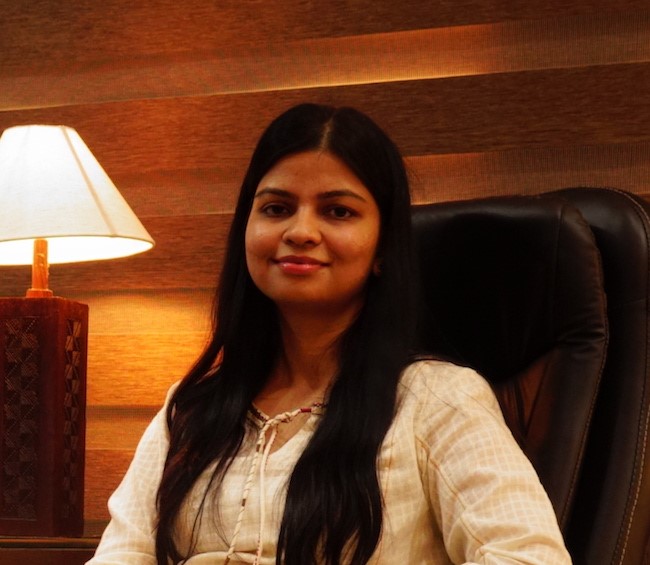 Mitali Soni Loya July 29, 2026